New Jersey Gaming Revenue Soars in July, But Atlantic City Questions Remain
/fit-in/64x64/1738682906/kevin-lentz.jpg "Kevin Lentz")
New Jersey is having a hot casino summer. The Boardwalk turned in another impressive month down the shore, allowing the Garden State to post $678.1 million in Gross Gaming Revenue (GGR) in July - an 11.9% increase from the same month last year.
Online Casinos in New Jersey did much of the heavy lifting, setting yet another in a long chain of monthly records, but New Jersey sportsbooks also had one of their best Julys on record from a revenue standpoint. Still, it was sizzling Atlantic City that posted the most encouraging numbers: a combined take of $304.2 million in GGR (a 7.1% year-over-year increase).
Interestingly, table games were the star of the show. Revenue climbed 9.5% to $78.1 million, while slot win posted a 6.25% increase to $226.1 million.
These were particularly welcome numbers, as Atlantic City is facing an almost existential threat from new competition in the New York market. Resorts World is beginning to roll out its new full-service casino in Queens, starting with hundreds of new Online Casino table games and thousands of slots converting from VLTs to Class III, eventually leading to more than $5 billion in new construction.
The question remains, though: does July represent the beginning of stronger growth, or was it simply one very good summer month?
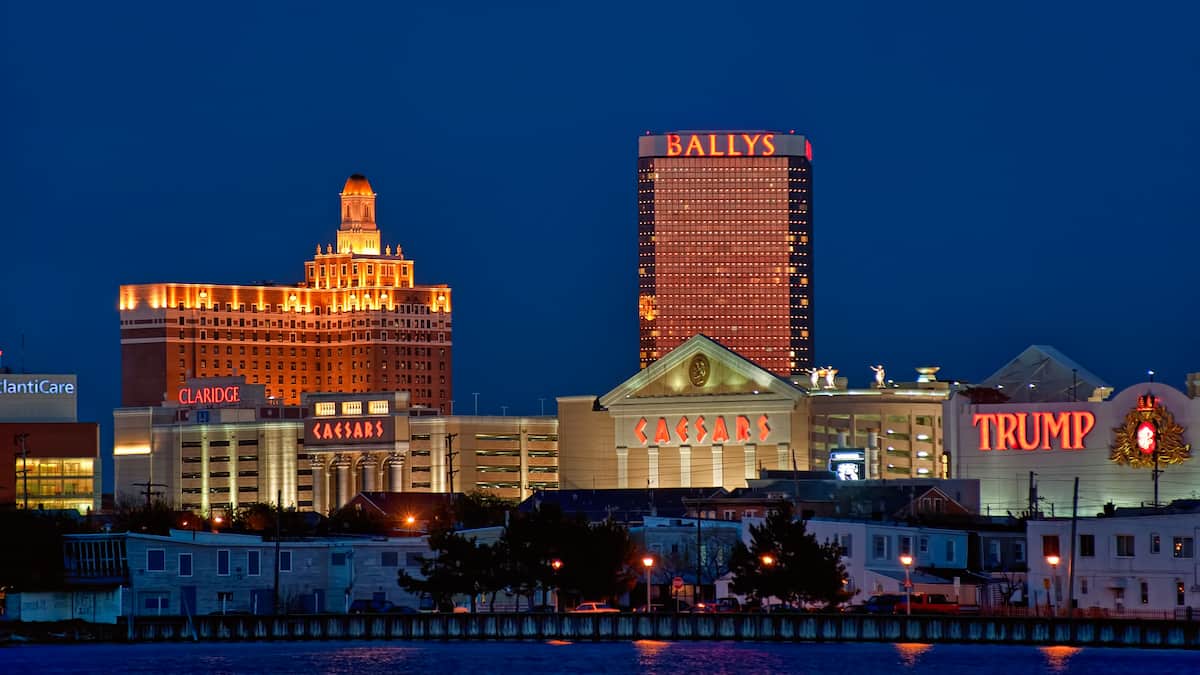

Brick and Mortar Are Strong
Viewed through the lens of new competition, the 9.5% increase in table games is all the more impressive. Atlantic City has had a geographic advantage for decades when competing for North New Jersey and New York players. Now, the ground is beginning to shift as blackjack, baccarat, and craps become available much closer to home for millions of potential customers.
So far, the little beach town appears to be weathering the new competition quite well, though individual property results were all over the board:
The Winners (YOY Table Win):
Caesars: +131.5%
Ocean Casino: +57%
Harrah's: +22%
The Losers (YOY Table Win):
Bally's: -57%
Tropicana: -14%
Borgata: -8%
Of course, one month's table game win doesn’t tell the whole story, and the long-term results for properties overall seem a little less bright. Total win for the year so far in Atlantic City is only up 3% through the end of July (tables +4.6%, slots +2.6%). As alluded to, growth has been far from universal: five of Atlantic City’s nine casinos are actually down for the full year in total gaming revenue.
Revenue Doesn’t Always Mean Profit
That 3.1% industry-wide growth number comes with a severe caveat. Operating expenses are rising across the board:
Labor Costs: Union wages in AC increased 2.5% under contract in 2026.
Lease Escalators: Annual leases on MGM and the three Caesars properties grew by 2% or more.
General Overhead: Health benefits, food and beverage, and insurance all cost more.
These properties can’t just grow revenue; they need to grow it faster than expenses. First-quarter financial results showed just how hard that can be. In Q1, these casinos had a net revenue of $725 million (basically flat compared to 2025), but Gross Profit plunged 23% to $104.7 million.
Atlantic City had also already begun to bump up promotional activity, with table games promo up more than 24% in the first quarter - even before Resorts World got their first tables open. While we don't yet have Q2 numbers, they are likely to remain elevated. This helps drive increased drop in table games, but it doesn't necessarily generate profit, especially in low-hold games like baccarat and blackjack.
FanDuel Continues to Pull Away From DraftKings
While the new competition between Queens and the Boardwalk will be fascinating to watch, the ongoing battle between FanDuel and DraftKings for the top of New Jersey’s lucrative iGaming pile has been a major storyline. In the last year, DraftKings has quietly imploded while FanDuel continues to accelerate.
Total iGaming win was $277 million in July (up an impressive 12% YOY). For the first seven months of 2026, internet casinos have pulled in $1.87 billion (a YOY increase of 14.5%). To put that into perspective, that $1.87 billion brought in by iGaming stands in stark contrast to the $1.72 billion brought in so far this year by the nine physical Boardwalk casinos.
2026 YTD iGaming Performance: FanDuel vs. DraftKings
| Operator | July Revenue | July YOY Growth | Market Share | YTD 2026 Revenue | YTD Growth |
|---|---|---|---|---|---|
| FanDuel | $61.7 Million | +18.5% | 22% | $426.7 Million | +18.9% |
| DraftKings | $48.0 Million | -1.2% | 17% | $326.0 Million | +0.7% |
To summarize the disparity: New Jersey iGaming has grown by about $237 million in revenue so far this year, and DraftKings accounted for only about $2 million of that growth.
Another favorite growth story has been the underdog run over at Bet Fanatics. Through July, they are up 116% YTD, with revenue climbing from $43 million at this point last year to $93 million this year. However, for the actual month of July, they seemingly took their foot off the gas, posting an anemic 8% increase after months of triple-digit growth.
Sportsbooks Pick Winners
The sportsbooks also had a great month, with $97 million in revenue, up nearly 30% from July 2025. They managed that impressive result even though the overall handle (total amount wagered) fell 4% to just over $603 million, primarily due to an increased hold of 12.5%.
Longer-term numbers aren’t as impressive, however. Total revenue for sportsbooks for 2026 has lagged behind last year by 2.7%, and handle YOY is also down 3.6%.
Conclusion
Taken together, July was a strong showing across all gaming verticals. Atlantic City tables, in particular, put up a great result, providing some pushback against the narrative that the Boardwalk is on the ropes.
However, with five of nine casinos still behind last year's pace, slot revenue just barely keeping up with expenses, and Q1 operating profits sharply lower, one strong summer month shouldn’t be taken as an all-clear signal. July proved that New Jersey - and even Atlantic City - can still generate impressive gaming revenue, but the all-important question remains: how much of it will actually make it to the bottom line?
In this market, standing still can look an awful lot like falling behind.
/fit-in/160x160/1738682906/kevin-lentz.jpg "Kevin Lentz")
Kevin Lentz
Casino Expert
| Email: | kevin.lentz@wsn.com |
|---|---|
| Nationality: | American |
| Education: | N/A |
| Favourite Sportsbook: | Caesars Sportsbook |
| Favourite Casino: | BetMGM Casino |
| Experience: | 30 years |






/1773392173/dmca-image.png "DMCA")
/1670944202/21.png "21")
/1670944628/2022-igb-best-casino-affiliate-gig-media-e1651053747946.png "2022 igb best casino affiliate gig media e1651053747946")
/1670944701/gig-media-power-affiliates-rank-123x40-1.png "Gig media power affiliates rank 123x40 1")
/1670944773/800-gambler-black-144x40.jpg "800 gambler black 144x40")